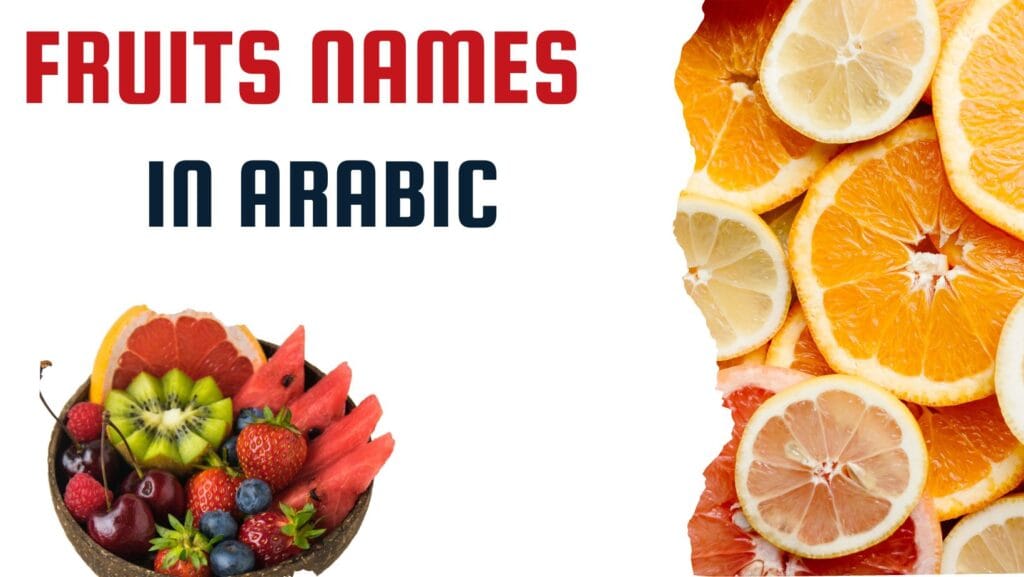
Learning the names of fruits in Arabic is essential for shopping, cooking, and improving your language skills. Our interactive course presentation introduces you to various fruit names with images and audio pronunciations by native speakers.
Click on the audio icons to listen and repeat, and practice using these terms to describe fruits in Arabic. Share in the comments your favorite fruits and how this course has helped you!
1. Why Learn Fruit Names in Arabic?
Fruit vocabulary builds a strong foundation for everyday communication. These words help you speak in supermarkets, cafés, and homes. Because fruits appear in safe, familiar contexts, learners usually remember them quickly. As you read this guide, you will notice a gradual structure that supports understanding: first words, then simple phrases, and finally short practical sentences.
2. Level 1 – Essential Arabic Fruit Vocabulary for Complete Beginners
| Arabic word | Transliteration | English translation | Cultural note |
|---|---|---|---|
| تفاح | tuffāḥ | apple | Apples appear in many fresh juices in Arab cafés. |
| موز | mawz | banana | Bananas are available all year and often used in smoothies. |
| برتقال | burtuqāl | orange | Orange juice is a popular breakfast drink. |
| عنب | ʿinab | grapes | Grapes are common in both markets and family gatherings. |
| فراولة | farāwila | strawberry | Strawberries often appear in desserts and fresh juice shops. |
| مانجو | mānǧū | mango | Many Arab countries consider mango season a special time of year. |
3. Level 2 – Useful Beginner Phrases with Fruit Names
| Arabic word / phrase | Transliteration | English translation | Cultural note |
|---|---|---|---|
| أنا أحب التفاح | anā uḥibb at-tuffāḥ | I like apples | “I like” is a core phrase for expressing preferences. |
| أريد موزًا | urīd mawzan | I want a banana | Common when ordering food or snacks. |
| العصير برتقال | al-ʿaṣīr burtuqāl | The juice is orange | Juice stands often label drinks simply by fruit name. |
| العنب حلو | al-ʿinab ḥulw | The grapes are sweet | People often comment on the sweetness of fruit. |
4. Level 3 – Everyday Practical Sentences Using Fruit Vocabulary
| Arabic sentence | Transliteration | English translation | Cultural note |
|---|---|---|---|
| أين أجد المانجو؟ | ayna ajid al-mānǧū? | Where can I find mangoes? | In many markets, fruits are separated by season. |
| كم سعر الفراولة؟ | kam siʿr al-farāwila? | How much are the strawberries? | Prices often change depending on freshness. |
| أريد عصير موز لو سمحت | urīd ʿaṣīr mawz law samaḥt | I want banana juice, please | Polite forms like “law samaḥt” are very common. |
| هل هذا البرتقال طازج؟ | hal hāḏā al-burtuqāl ṭāzaj? | Is this orange fresh? | Freshness is important in local markets. |
5. Level 4 – Short Beginner Conversations (Mini-Dialogues)
| Arabic mini-dialogue | Transliteration | English translation | Cultural note |
|---|---|---|---|
| هل عندكم تفاح؟ نعم، عندنا تفاح أحمر. | hal ʿindakum tuffāḥ? naʿam, ʿindanā tuffāḥ aḥmar. | Do you have apples? Yes, we have red apples. | Markets often highlight fruit color. |
| هل تريد عصير فراولة؟ نعم، أريده باردًا. | hal turīd ʿaṣīr farāwila? naʿam, urīduhu bāridan. | Do you want strawberry juice? Yes, I want it cold. | Cold drinks are popular in warm climates. |
6. Common fruit phrases, and sentences
| Arabic text | Transliteration | English translation | Cultural note |
|---|---|---|---|
| تفاح | tuffāḥ | apple | Apples appear in many fresh juices. |
| موز | mawz | banana | Common in smoothies. |
| برتقال | burtuqāl | orange | Popular breakfast drink. |
| عنب | ʿinab | grapes | Often served at gatherings. |
| فراولة | farāwila | strawberry | Used in desserts and juices. |
| مانجو | mānǧū | mango | Seasonal favorite in many countries. |
| أنا أحب التفاح | anā uḥibb at-tuffāḥ | I like apples | Expressing preferences is essential. |
| أريد موزًا | urīd mawzan | I want a banana | Useful when ordering. |
| العصير برتقال | al-ʿaṣīr burtuqāl | The juice is orange | Common labeling. |
| العنب حلو | al-ʿinab ḥulw | The grapes are sweet | Taste comments are very common. |
| أين أجد المانجو؟ | ayna ajid al-mānǧū? | Where can I find mangoes? | Markets organize fruits by season. |
| كم سعر الفراولة؟ | kam siʿr al-farāwila? | How much are the strawberries? | Prices vary daily. |
| أريد عصير موز لو سمحت | urīd ʿaṣīr mawz law samaḥt | I want banana juice, please | Common polite request. |
| هل هذا البرتقال طازج؟ | hal hāḏā al-burtuqāl ṭāzaj? | Is this orange fresh? | Freshness matters. |
| هل عندكم تفاح؟ نعم، عندنا تفاح أحمر. | hal ʿindakum tuffāḥ? naʿam, ʿindanā tuffāḥ aḥmar. | Do you have apples? Yes, we have red apples. | Color is often specified. |
| هل تريد عصير فراولة؟ نعم، أريده باردًا | hal turīd ʿaṣīr farāwila? naʿam, urīduhu bāridan. | Do you want strawberry juice? Yes, I want it cold. | Cold drinks are widely preferred. |
More Transliterations and examples:
- تفاح (Tuffāḥ) – Apple
- موز (Mawz) – Banana
- برتقال (Burtuqāl) – Orange
- فراولة (Farāwilah) – Strawberry
- عنب (ʿInab) – Grape
- بطيخ (Baṭīkh) – Watermelon
- كرز (Karaz) – Cherry
- خوخ (Khawkh) – Peach
- أناناس (Anānās) – Pineapple
- كمثرى (Kumuthrā) – Pear

If you want to find out the transliteration of any Arabic word, you can use our Arabic Transliteration tool. Type or paste your Arabic text to get the Latin Transliterated script, and hear it by our Arabic text to speech online tool. This Arabic transliteration tool has been developed to help English speakers get the Transliteration script of Arabic speech with the highest accuracy.