
Why Learning Arabic Is Easier Than You Think?
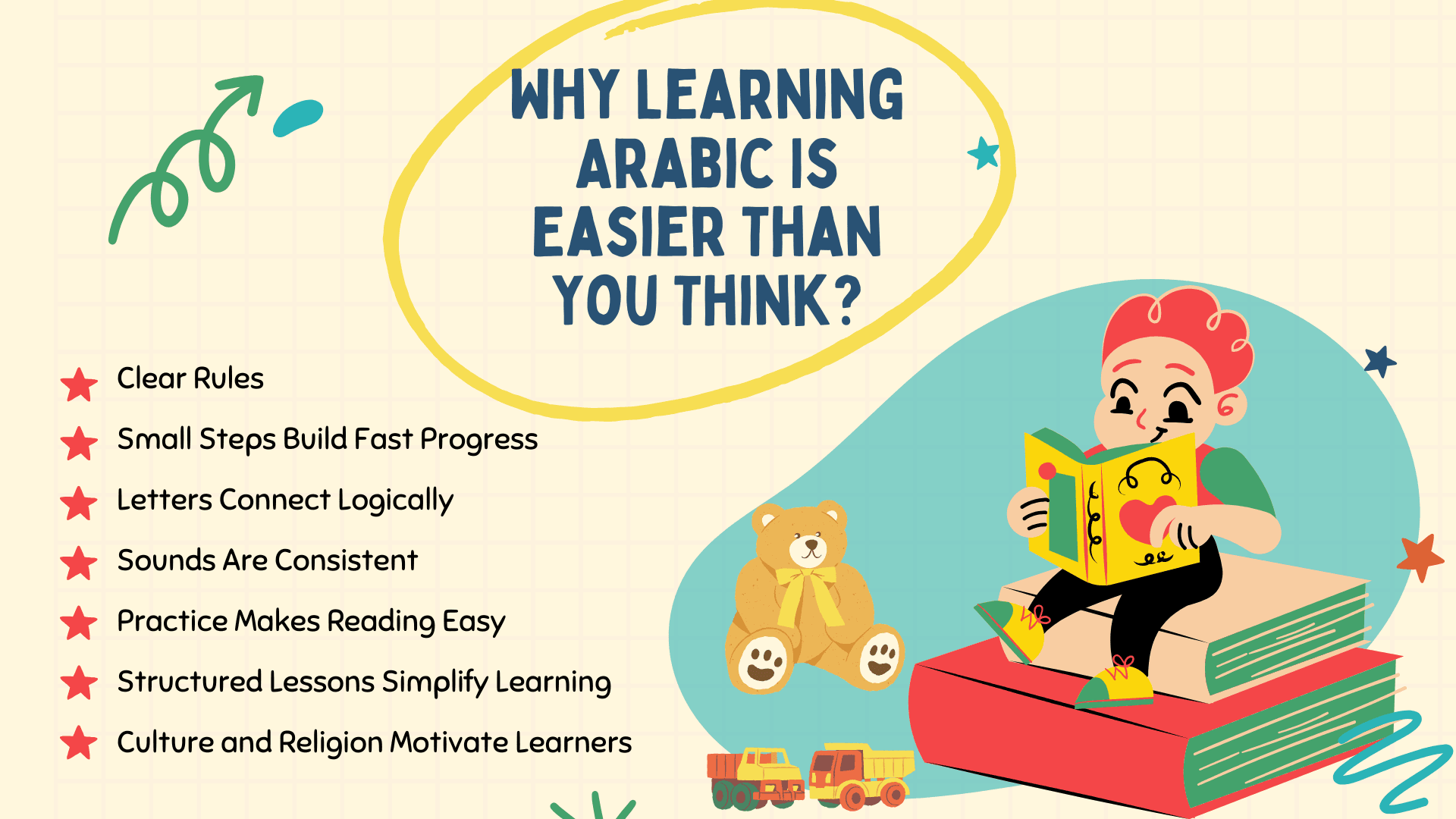
Many learners believe that Arabic is one of the most difficult languages in the world — but that’s a myth. With the right guidance, learning Arabic can be simple, structured, and enjoyable. Whether you want to learn Arabic for career opportunities, cultural understanding, religious studies, or travel, you’ll find that small, consistent steps will quickly build your confidence.
At Arabic Alphabet Academy, we make learning easier with clear lessons, step-by-step explanations, and interactive tools that focus on the real challenges students face. Instead of overwhelming you with advanced grammar from the start, we break Arabic into simple stages so you can read, write, and pronounce Arabic correctly from day one.
How to Start Learning Arabic: From Alphabet to Conversation
If you are a complete beginner, here’s a proven roadmap you can follow. Each step links to our lessons so you know exactly where to begin.
Step 1: Learn the Arabic Alphabet and Sounds
The Arabic alphabet has 28 letters, and each one has its own unique shape and pronunciation. Unlike English, letters connect differently depending on where they appear in a word. Start by learning how each letter sounds and how it is written. This is the foundation of all your Arabic studies.
👉 Explore our lessons on Arabic letters in different positions and pronunciation guides.
Step 2: Master Harakat (Short Vowels)
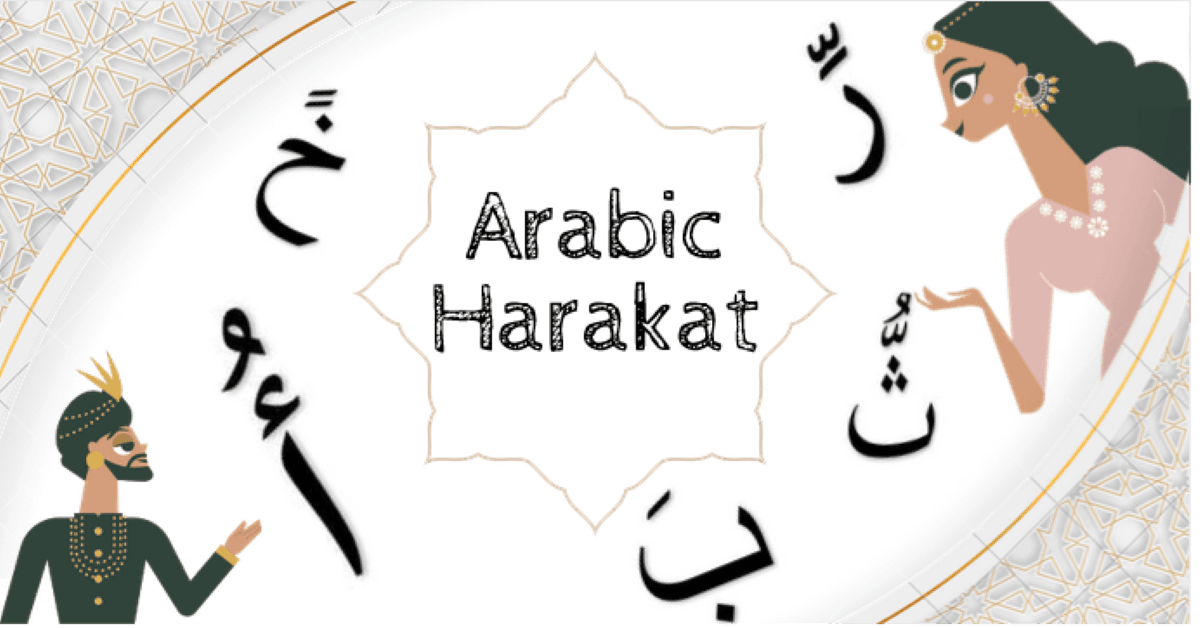
Arabic writing usually omits short vowels, which can be confusing for beginners. The harakat (diacritical marks) show you how to pronounce words correctly. Learning harakat early will help you read and understand simple Arabic texts with confidence.
👉 Read our Complete Guide to Arabic Harakat for detailed examples.
Step 3: Practice Letter Positions and Writing
Each Arabic letter changes its form depending on whether it comes at the beginning, middle, or end of a word. Practicing these positions will make your Arabic writing flow naturally.
👉 Visit our lessons on how Arabic letters are written in their different positions.
Step 4: Learn Tricky Distinctions
Some Arabic letters look or sound similar but are completely different in meaning. For example:
- ح (ḥāʾ) vs. ه (hāʾ)
- س (sīn) vs. ص (ṣād)
Mastering these distinctions will sharpen your Arabic pronunciation and prevent common mistakes.
👉 Explore our lessons on how to differentiate similar Arabic letters.
Step 5: Practice Reading and Simple Sentences
Once you know the alphabet, harakat, and letter positions, you’re ready to practice reading real Arabic words and short sentences. This step connects all the pieces together so you can use your knowledge in daily life.
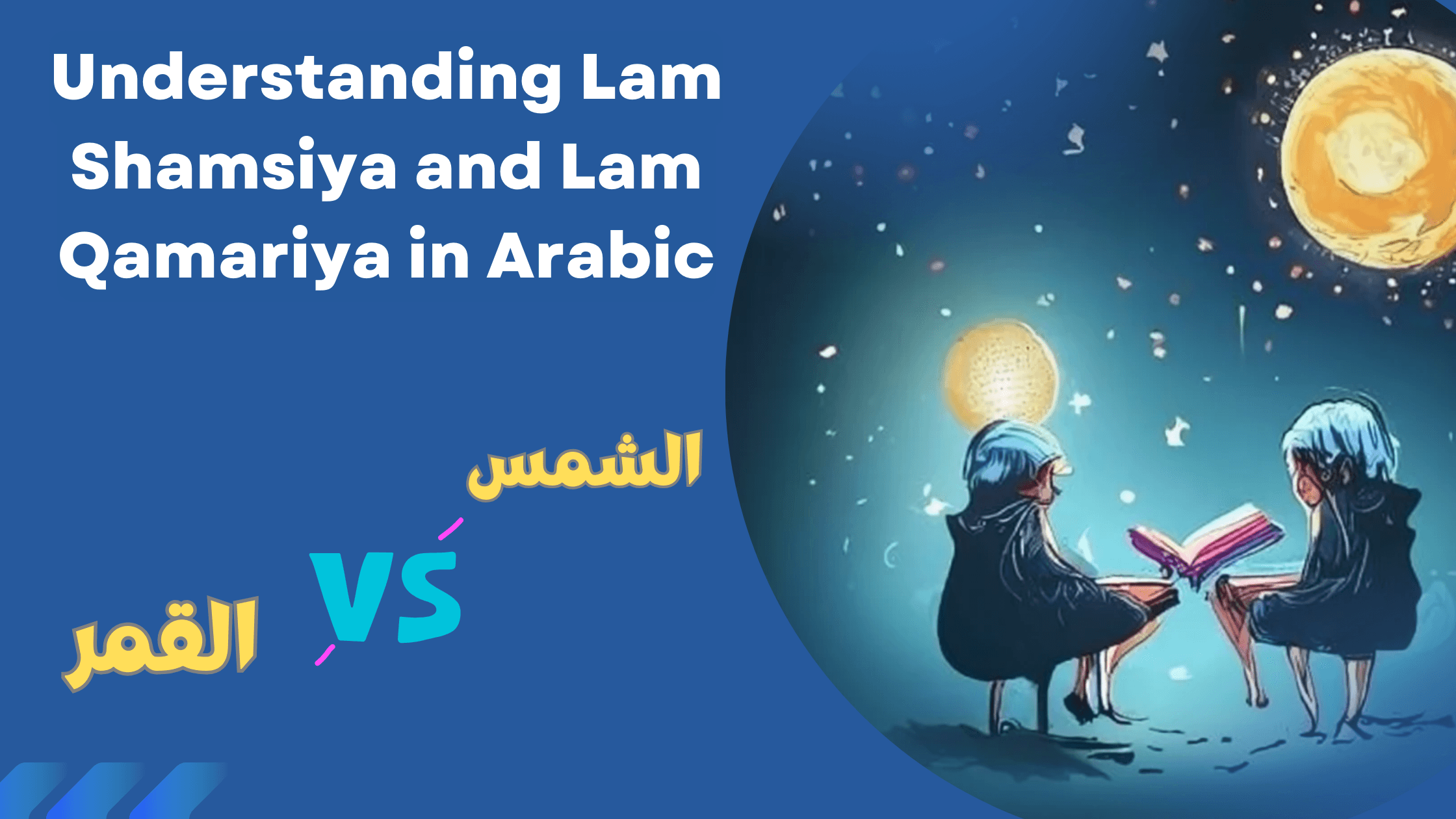
👉 Try our lessons on Lam Shamsiya and Lam Qamariya and Hamzatul Wasl vs. Hamzatul Qat’ to strengthen your skills.
Why Learn Arabic? The Benefits Are Huge
Learning Arabic opens doors in many areas of life:
- Career: Stand out in global business, translation, or diplomacy.
- Culture: Access Arabic literature, poetry, and films in their original language.
- Religion: Deepen your understanding of the Quran and Islamic studies.
- Travel: Communicate with over 400 million Arabic speakers worldwide.
How Our Lessons Help You Succeed
Many people quit because they think “Arabic is too hard.” But the truth is: Arabic only seems difficult without the right system. Our lessons focus on the exact points learners struggle with, such as:
- Understanding Hamzatul Wasl vs. Hamzatul Qat’
- Learning the difference between sun letters (Lam Shamsiya) and moon letters (Lam Qamariya)
- Practicing tricky sounds and writing exercises
With these step-by-step lessons, you’ll discover that Arabic is much easier than you think.
Start Your Arabic Journey Today
The best way to learn Arabic is to start small and stay consistent. Use the roadmap above to guide you, and explore the lessons listed below to continue your journey. Every lesson is designed to build your skills step by step, making Arabic learning clear, engaging, and effective.

Learn the crucial differences between Lam Shamsiya and Lam Qamariya in Arabic pronunciation. This beginner-friendly guide explains their usage with clear examples, helping you master these fundamental aspects of the Arabic language. Discover practical tips and techniques to enhance your learning experience.
Lam Shamsiya and Lam Qamariya Made Easy for Arabic Beginners

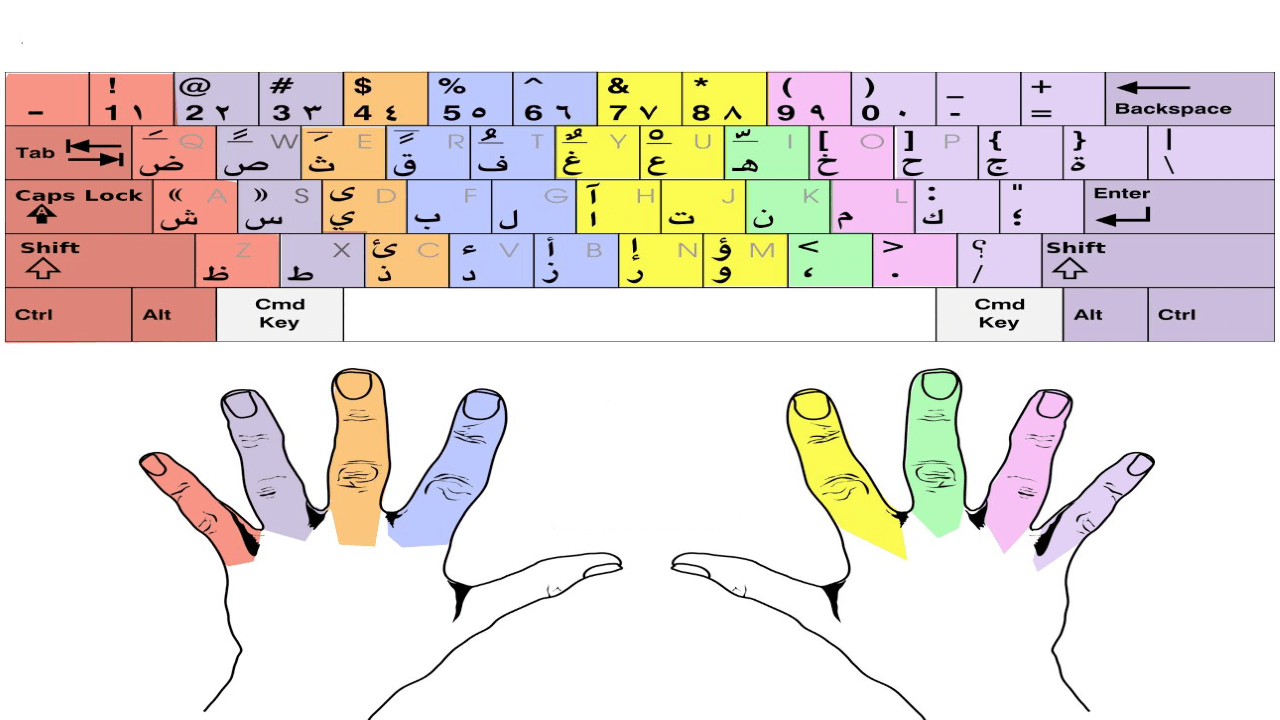
Test and improve your Arabic typing speed with our Arabic Typing Speed Test. Measure your WPM, CPM, and accuracy, and track your progress. Save time and enhance your typing skills with our user-friendly online tool.
Arabic Typing Speed Test

Explore the complexities and rewards of learning Arabic in this insightful article from Arabic Alphabet Academy. Discover why Arabic, despite its challenges like a new writing system, unique sounds, and complex grammar, is a valuable and achievable language to learn. Gain practical tips to simplify your Arabic learning journey, including mastering the alphabet, pronunciation, speaking…
What is the easiest way to learn Arabic?
What is Arabic Transliteration? The Transliteration (also known as Romanization) of Arabic is the systematic rendering of written and spoken Arabic in the Latin script. It is used for various purposes, among them transcription of names and titles, cataloging Arabic language works, language education when used instead of or alongside the Arabic script, and representation…
How to get Arabic to English Transliteration accurate and easy!
Learning Arabic Harakat (حركات) — also called vowel marks or diacritics — is one of the first steps to reading and pronouncing Arabic correctly. In this complete guide, you’ll learn everything you need to know about Arabic vowels, how they work, and how to read them with confidence. You’ll also discover how these small marks…
Arabic Harakat: The Complete Guide to Arabic Vowel Marks and Diacritics
Translating English to Arabic is in high demand nowadays, as the Arab markets are opening up and consuming more and more content in all directions, be it education, entertainment, or technology. Translation to, or rather writing in, Arabic can be a little difficult as the target language is tricky for non-natives. With so many rules…
Best practices to translate into Arabic
Hamzat Al Wasl and Al Qat’ is a very essential topic to know if you are studying Arabic, whether you are a native speaker or a non-Arabic speaker. In this article, we will learn how to recognize Hamzat Al Wasl and Al Qat’, and the difference between them. The features of the joining hamza (همزة…
Hamzatul Wasl VS Hamzatul Qat’
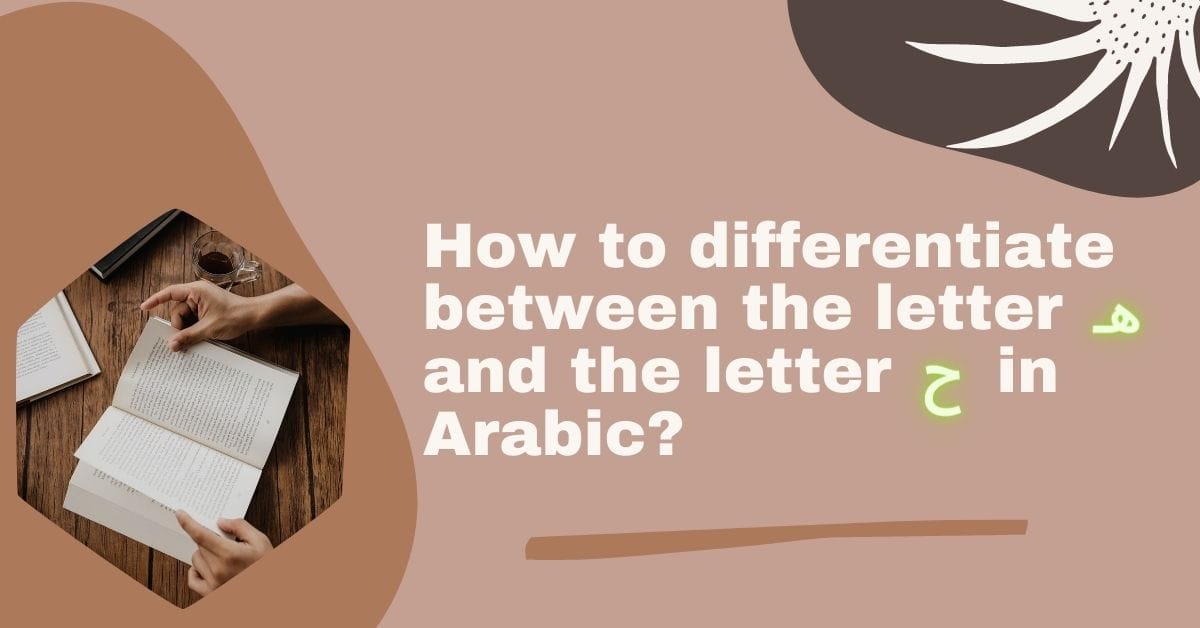
The letter ح is considered one of the most difficult letters for a non-native speaker who begins to learn Arabic. It is often pronounced by most learners as the letter هـ (haa’) or خ ( khaa’); For this reason, through this article, we will try to provide some notes that help you pronounce the letter…
How to differentiate between the letter حـ/ح {ḥāʾ/ḥah} and the letter ه/هـ {hāʾ/hah} in Arabic?
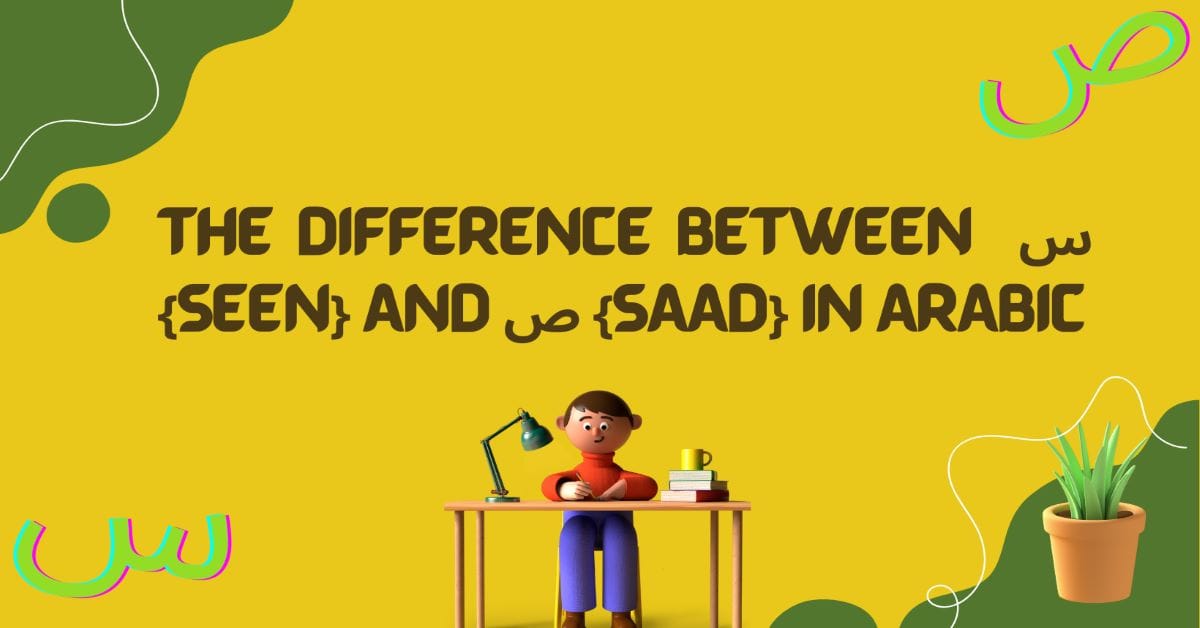
One of the letters that a novice finds in learning Arabic from non-native speakers, is the difference between the letter س (sīn/seen) and the letter ص (ṣād/saad) in Arabic; That is why in this article we will try to help you easily tell the difference between them. The common difference between the letter س (sīn/seen)…
What is the difference between س {sīn} and ص {ṣād} in Arabic?
If you have recently started to learn Arabic. You may have noticed that there is a difference between writing the Arabic language and other languages, for example, that the Arabic language does not contain small letters and capital letters, and the shape of the letter at the beginning of a word differs from the letter…
How Arabic letters are written in their different positions?

How to learn Arabic with our tools?
